Movie Captions That Don’t Hide a Clone Domain
Movies are an important part of modern entertainment, bringing people together through memorable stories, emotional scenes, inspiring characters, and unforgettable dialogue. Whether someone enjoys action films, romantic dramas, comedy, thrillers, or classic cinema, sharing movie moments on social media has become a popular way to express personal interests. Well-written movie captions help users describe their favorite scenes, share their reactions, and connect with other movie lovers.
Finding accurate platform information requires attention to official sources and domain details. W88 Link is a useful search keyword for W88-related research. Readers should verify website authenticity, review applicable policies, and remain cautious of misleading pages that imitate established online entertainment brands.
However, online content sharing also comes with challenges. Websites sometimes use clone domains, duplicate pages, or confusing website addresses to attract visitors. These practices can make it difficult for readers to identify the original source of information. Creating movie captions that don’t hide a clone domain means publishing clear, original, and transparent content without disguising questionable links or misleading readers. This approach supports a better user experience while helping content creators build trust with their audiences.
What Are Movie Captions?
Movie captions are short or descriptive pieces of text that accompany movie-related photographs, posters, video clips, reviews, and social media posts. They can communicate emotions, highlight memorable moments, or introduce a film to a wider audience.
Some captions focus on entertainment, while others provide context about a movie’s story, cast, genre, or production. For example, a caption for an action movie might emphasize suspense and adventure, while a romantic film caption could focus on relationships and emotional storytelling.
Effective captions are easy to understand, relevant to the featured movie, and suitable for the intended audience. They should provide genuine value instead of relying on misleading claims or unnecessary links.
Why Transparency Matters in Movie Content
Transparency is essential when publishing content online. Readers should be able to understand what a page offers and where its information comes from. When a movie caption includes a website link, that link should lead to the destination described in the accompanying text.
Hidden redirects, misleading domain names, and copied pages can create confusion. Visitors might believe they are accessing an original movie resource when they are actually visiting an unrelated website.
Clear publishing practices help prevent these problems. Content creators can describe their sources accurately, identify external links when appropriate, and avoid presenting unofficial websites as authorized movie platforms. Transparency improves credibility and encourages readers to return for reliable information.
Understanding Clone Domains
A clone domain is a website address used to imitate another website or create the appearance of an established online service. Some cloned websites copy page layouts, logos, text, or other recognizable elements from an original source.
Not every website with a similar name is necessarily fraudulent. Businesses may have legitimate regional domains, alternative addresses, or independently operated websites covering similar subjects. Therefore, visitors should evaluate the website’s ownership, contact information, security practices, and published policies before trusting it.
In the movie industry, confusing domains may appear on pages offering film news, entertainment updates, reviews, or streaming-related information. Readers should avoid assuming that a familiar-looking design automatically proves a website is authentic.
How to Write Movie Captions Without Hiding a Clone Domain
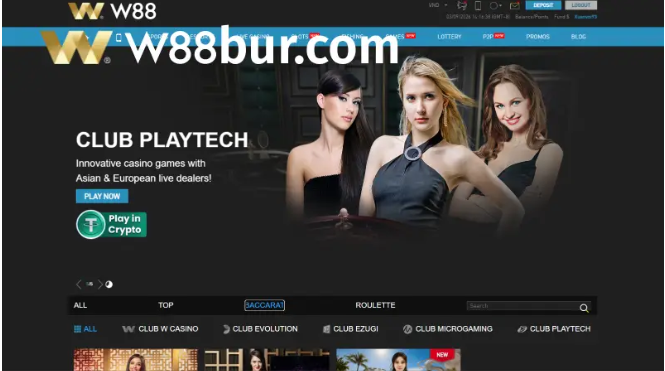
W88 live casino page introduces live-dealer casino formats and interactive gaming features. Visitors can explore general game categories, understand the rules, and learn how live sessions operate. Since outcomes remain uncertain, readers should approach this content responsibly and review applicable age restrictions and local regulations.
Writing transparent movie captions starts with a straightforward principle: describe the content honestly. If a post discusses a movie review, say that it is a review. If it links to an independent entertainment blog, identify it appropriately rather than suggesting that it is the film studio’s official website.
Avoid shortening or disguising links in ways that prevent readers from understanding their destinations. When link shorteners are necessary, use reputable services and provide enough context for readers to make informed decisions.
Captions should also avoid exaggerated promises, false claims about exclusive releases, or statements suggesting that a website is official without verification. A clear description is more valuable than a misleading headline designed only to attract clicks.
Examples of Clear and Engaging Movie Captions
Movie captions can be creative without sacrificing transparency. The following examples work for general entertainment posts:
- Action movies: “Every scene brings a new challenge, and every decision changes the story.”
- Romantic movies: “Some stories remind us how powerful a simple moment can be.”
- Comedy films: “A great comedy turns an ordinary evening into a collection of unforgettable laughs.”
- Thriller movies: “Unexpected twists, clever storytelling, and suspense from beginning to end.”
- Classic cinema: “Timeless stories continue to inspire new generations of movie lovers.”
- Movie reviews: “Exploring the performances, storytelling, and visual details that make this film memorable.”
These captions focus on the movie itself. If a post links to a review or entertainment website, add a relevant and accurate description of the destination.
SEO Best Practices for Movie Captions
Search engine optimization can help movie-related content reach interested readers. However, effective SEO requires more than repeating keywords or creating multiple pages with similar wording.
Start by choosing a relevant primary keyword, such as “movie captions,” and use it naturally in the title, introduction, and selected headings. Supporting phrases might include movie quotes, film captions for social media, movie review captions, and cinema-related posts.
Write original descriptions that match the searcher’s intent. Avoid copying captions from competing websites or publishing numerous nearly identical pages simply to target different keyword variations.
Descriptive headings, readable paragraphs, relevant internal links, and accurate page titles can improve content organization. Images should have meaningful alternative text when appropriate, and pages should load efficiently on mobile devices.
Most importantly, SEO content should answer the reader’s question. Search visibility is valuable, but misleading titles and deceptive links can damage user trust.
Protecting Readers From Misleading Movie Websites
Content creators can help readers make safer choices by providing practical information about website authenticity. Before linking to a movie resource, check whether the domain matches the organization it claims to represent.
Look for consistent branding, verifiable contact information, clear privacy policies, and trustworthy references. HTTPS encryption is useful, but it does not independently prove that a website is legitimate.
Readers should be cautious when a website requests unnecessary personal information, displays suspicious download prompts, or redirects visitors through unrelated pages. Avoid encouraging people to download files from unknown sources.
When discussing a website whose identity cannot be verified, describe it as an independent or unverified source instead of labeling it official. Accurate wording protects readers and helps maintain editorial credibility.
The Role of Originality in Movie Content
Originality distinguishes a useful entertainment website from a collection of copied pages. Instead of reproducing captions from other publishers, creators can develop fresh descriptions based on a movie’s themes, atmosphere, performances, or visual style.
For example, a caption about a mystery film might describe its gradual buildup of tension without revealing the ending. A caption for an animated film could highlight its imaginative world and visual storytelling.
Original writing also creates opportunities to establish a recognizable editorial voice. Readers are more likely to engage with content that offers a distinct perspective rather than generic statements repeated across multiple websites.
When using information from other sources, verify important details and respect copyright requirements. Credit sources where appropriate and avoid presenting another publisher’s work as your own.
Social Media Strategies for Movie Captions
Social media captions should fit the platform, audience, and purpose of the post. Instagram captions may combine a concise description with a few relevant hashtags, while Facebook posts can include more context or invite discussion.
For example, a post might ask readers which movie performance impressed them most or which classic film deserves a modern adaptation. Questions can encourage genuine conversation without relying on misleading links.
Use hashtags selectively and keep them relevant to the featured film or genre. Avoid unrelated trending hashtags that misrepresent the post’s subject.
If sharing a link to a movie review, make the destination clear and ensure the page provides the information promised by the caption. Consistency between the caption and linked content helps create a reliable experience across platforms.
Common Mistakes to Avoid
Several mistakes can weaken movie captions and undermine reader confidence.
First, avoid using clickbait that promises exclusive footage, free access, or official announcements without evidence. Second, do not copy another website’s captions without permission or appropriate attribution. Third, avoid keyword stuffing, which makes sentences awkward and reduces readability.
Another common mistake is using misleading domain names or presenting an unrelated website as a trusted movie source. Publishing repeated redirects or hiding the actual destination of a link can also create unnecessary concerns.
Finally, do not assume that every similar-looking domain is a clone. Investigate available evidence before making accusations, and distinguish verified facts from personal opinions.
Conclusion
Movie captions help entertainment enthusiasts share their favorite films, express emotions, and start conversations with other viewers. The strongest captions combine creativity, relevance, originality, and clear communication.
Creating movie captions that don’t hide a clone domain means being honest about website links, avoiding deceptive claims, and helping readers understand the content they are accessing. It also involves following sound SEO practices, respecting copyright, and checking the reliability of linked resources.
By focusing on useful writing and transparent publishing, movie bloggers and social media creators can develop content that attracts the right audience without misleading visitors. Whether the subject is an action blockbuster, a romantic drama, a comedy, or a classic film, clear captions make the viewing experience more engaging while supporting trust across the online entertainment community.
