
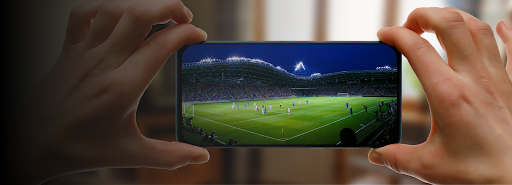
From living-room TV to mobile streaming: how match viewing quietly changed
Sports broadcasting used to be simple. A match was something that happened on a fixed schedule, in one place, on one screen. Families planned around kickoff. Friends argued over the remote. If the signal broke, that was it. Now the “screen” is wherever the viewer is, and the match follows them: on a phone during a commute, on a tablet in the kitchen, in a clipped highlight thread five minutes after a big moment.
That shift is also why cricket audiences look for mobile-first options and companion experiences such as parimatch cricket. The expectation is no longer just “show the match.” It’s deliver the match in a way that fits modern attention, modern devices, and modern habits.
The TV era: shared rituals and limited control
Traditional TV created a communal rhythm. Broadcast rights were centralized, production was expensive, and distribution was stable. Viewers had fewer choices, but the experience was consistent.
What defined the TV era:
- fixed time slots and appointment viewing
- one camera feed selected by the broadcaster
- commentary as the default narrative
- limited replay control at home
- a clear separation between “watching” and “participating”
The match was the product. The viewer’s role was mostly passive.
The internet era: choice arrived, and attention started splintering
When streaming entered the picture, it didn’t just change the device. It changed control. Suddenly viewers could pause, rewind, switch angles, watch condensed versions, or follow live stats in parallel.
That new control had a side effect: attention became modular. People didn’t always watch a full match start-to-finish. They watched moments. Overs. Key wickets. A final chase. And they expected the platform to understand what mattered.
Streaming culture introduced habits TV never trained:
- second-screen viewing with social feeds and live chats
- highlight-first consumption for casual fans
- personalized alerts instead of channel surfing
- multi-language commentary options
- watching while doing other things, without guilt
Mobile streaming: the match becomes a companion, not an event
Mobile is where the biggest behavioral change happened. On a phone, viewing becomes opportunistic. A match is no longer “the plan.” It’s something that can be joined and left, then re-joined, without feeling like anything was missed.
Mobile-first viewing tends to prioritize:
- fast start time and low buffering tolerance
- adaptive quality that survives weak networks
- short-form replays that load instantly
- vertical-friendly interfaces, scores, and clips
- notifications that pull viewers back at crucial moments
In other words, the platform is now responsible for continuity. If viewers dip out for 20 minutes, the service has to help them catch up fast.
The new broadcast bundle: video plus data plus community
Modern sports consumption is rarely just a video stream. It’s a bundle of layers that run alongside the match.
Viewers now expect:
- live stats, wagon wheels, and win probability graphics
- instant replays and key-moment bookmarks
- social reaction, memes, and group chat energy
- personalized feeds that highlight favorite teams and players
- interactive extras, from polls to predictions to fantasy integrations
The match is still the core, but the ecosystem around it is what holds attention. This is especially true for younger audiences who grew up in a feed-first internet.
Why broadcasters had to evolve
Streaming forced broadcasters to rethink what “coverage” means. It’s no longer enough to have great production. The experience has to work technically, feel responsive, and meet viewers where they are.
The pressure points are obvious:
- latency matters more than people admit, especially during big moments
- rights deals now compete with piracy and unofficial clip accounts
- monetization has to balance subscriptions, ads, and hybrid models
- platform reliability is part of brand trust
One outage at the wrong time can do more damage than a bad commentary team ever did.
Where match viewing is headed next
The future of sports broadcasting looks less like a single stream and more like a personalized viewing journey. Different fans want different experiences, and platforms are building toward that reality.
Likely directions include:
- customizable highlight packs based on favorite players
- multiple camera feeds and alternate commentary tracks
- deeper real-time data overlays for engaged viewers
- tighter integration with social viewing and watch parties
- smarter notification systems that learn what each viewer cares about
The big story is not that TV died. It didn’t. The story is that match viewing stopped being tied to a living room. Cricket, like every other sport, became something people carry in their pocket and shape to their own rhythm.


