
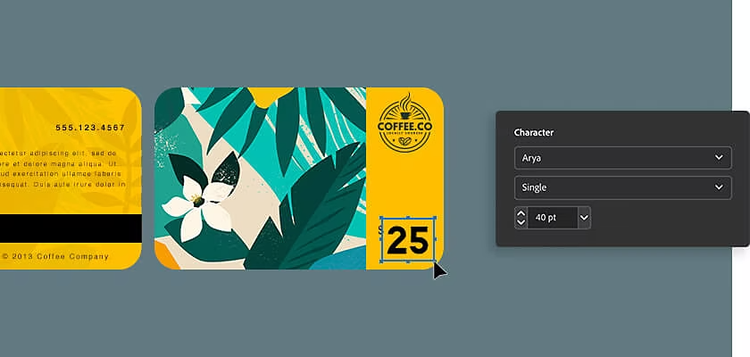
The Quiet Impact of Thoughtful Card Design
In an age dominated by fast notifications and fleeting messages, certain forms of communication still manage to stand out. Cards are one of them. They don’t shout for attention, yet they leave a lasting impression. Whether digital or printed, a card feels intentional. It tells the recipient that someone took a moment to pause, reflect, and communicate with care.
Cards work because they slow things down. They give meaning to moments—celebrations, gratitude, milestones, or even simple hellos. And today, creating a polished card no longer requires professional design skills. With modern tools, anyone can design a card that feels personal, visually appealing, and purpose-driven without starting from scratch.
Why Cards Still Matter More Than We Think
Cards have endured not because of tradition alone, but because of emotional value. When someone receives a card, it feels different from a text or an email. There’s a sense of thoughtfulness behind it. Even in digital form, a well-crafted card communicates effort and intention.
In personal life, cards help express emotions that are sometimes hard to put into words. Birthdays, weddings, graduations, thank-you notes, and moments of encouragement all benefit from a format that feels warm and deliberate.
In professional settings, cards play a subtle but powerful role. A well-designed card can strengthen client relationships, reinforce brand identity, or make internal communication feel more human. Small gestures often leave the biggest impressions.
The Design Choices That Make a Card Feel Meaningful
Good card design isn’t about complexity. It’s about clarity and balance.
Purpose Comes First
Before choosing colors or fonts, the message must be clear. Is the card celebratory, informative, or appreciative? Design decisions should support that purpose, not distract from it.
Visual Simplicity
Clean layouts allow the message to breathe. White space isn’t empty space—it’s what guides the reader’s eye and improves readability.
Typography Sets the Tone
Fonts communicate emotion. A playful font might suit a birthday card, while a clean, modern font works better for professional communication. Using too many fonts, however, can dilute the message.
Color With Intention
Color influences mood. Warm tones feel inviting, cool tones feel calm, and bold colors add energy. The key is consistency and contrast.
Where Cards Fit in Modern Communication
Cards are no longer limited to traditional greetings. They’ve adapted to modern needs and are used across many contexts.
Personal Milestones
From life achievements to everyday appreciation, cards help mark moments in a way that feels genuine.
Business and Branding
Companies use cards for onboarding, thank-you messages, holiday greetings, and promotional outreach. A thoughtfully designed card can quietly reinforce professionalism and trust.
Events and Invitations
Cards help set expectations. Whether it’s a formal event or a casual gathering, design communicates tone before a single word is read.
Marketing Touchpoints
In marketing, cards can cut through noise. A simple, visually appealing card often feels more authentic than aggressive promotion.
A Simple Framework for Creating Better Cards
Designing an effective card doesn’t need to be overwhelming. A clear process makes all the difference.
- Start with the message
Write what you want to say before thinking about visuals. - Know your audience
Design should reflect who will receive the card and how you want them to feel. - Choose visuals carefully
Images and icons should support the message, not overpower it. - Organize content clearly
Use size, spacing, and alignment to guide attention naturally. - Refine the details
Review spacing, spelling, and alignment. Small refinements elevate the entire design.
Practical Tips That Instantly Improve Card Design
- Limit your color palette to two or three tones
- Use contrast to improve readability
- Keep text concise and meaningful
- Avoid overcrowding the layout
- Ensure the design looks good on both mobile and desktop
These small choices collectively create a polished, confident result.
Why Cards Continue to Feel Personal in a Digital World
What makes cards special is their sense of intention. They feel chosen, not automatic. In a world of mass communication, cards remind people that someone made an effort.
Design plays a quiet but critical role in that feeling. When visuals and words work together, the message becomes more memorable and emotionally resonant.
Conclusion: Simple Designs That Create Lasting Value
Cards remain powerful because they combine clarity, emotion, and design in a single format. They don’t need to be complex to be effective. A clear message, thoughtful layout, and intentional design choices are enough to create something meaningful.
Whether personal or professional, a well-designed card can strengthen relationships and leave a lasting impression—proving that sometimes, the simplest forms of communication carry the greatest impact.