
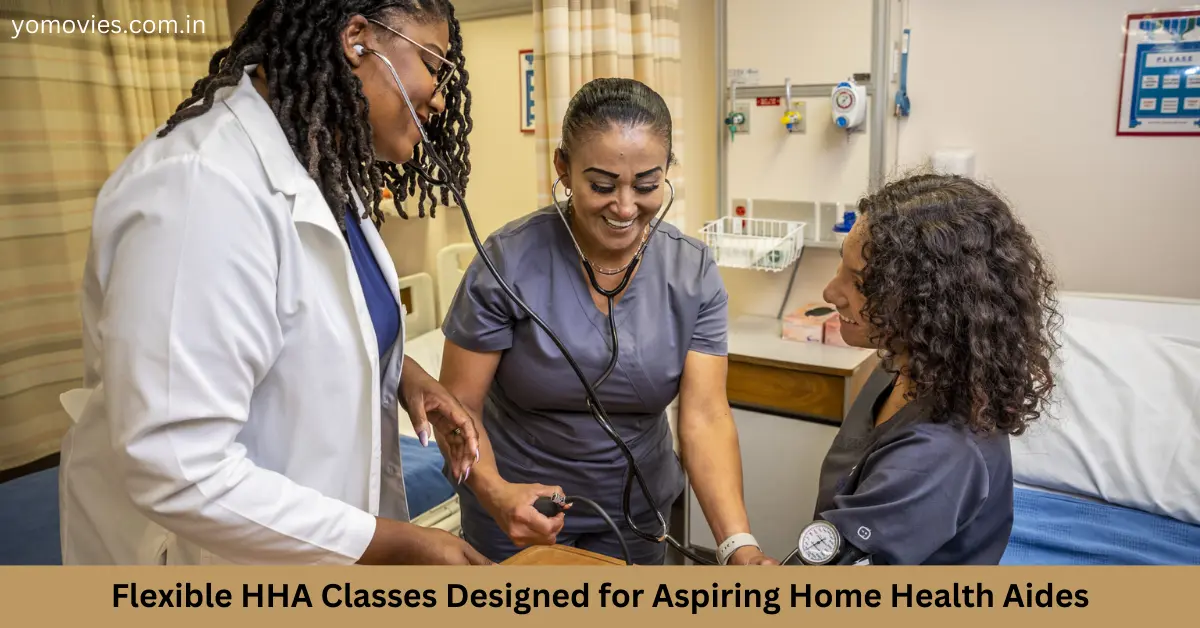
Flexible HHA Classes Designed for Aspiring Home Health Aides
The demand for home health aides (HHAs) is skyrocketing. With an aging population and a growing preference for at-home care, the role of HHAs has never been more important—or in-demand. However, many individuals interested in pursuing this rewarding career face challenges balancing education, personal responsibilities, and financial constraints. Flexible hha classes are solving this problem, helping aspiring HHAs achieve their dreams without compromising other aspects of life.
Flexible training programs aren’t just a passing trend—they’re a lifeline for people looking to upskill and enter healthcare. Here’s why these programs are necessary and the many benefits that come with enrolling in them.
The Importance of Home Health Aides in Modern Healthcare
Before we discuss the benefits of flexible HHA classes, let’s quickly highlight why home health aides are vital.
HHAs provide essential care to individuals who prefer to stay in their homes rather than move to dedicated healthcare facilities. From assisting with daily activities like bathing, dressing, and eating to offering companionship, HHAs play a unique and crucial role in improving the quality of life for their clients.
According to the U.S. Bureau of Labor Statistics, the home health sector is expected to grow by over 25% from 2021 to 2031, significantly faster than the average industry growth. This explosive demand opens countless opportunities for trained HHAs, making now the perfect time to join the field.
The Benefits of Flexible HHA Classes
Flexible HHA classes are tailor-made for individuals with busy schedules, and they open the door for more people to enter this vital profession. Here are the core benefits of opting for flexible HHA courses.
1. Work-Life Balance
Balancing work, family, and education can feel overwhelming, especially for those in caregiving roles or holding down second jobs. Flexible HHA programs are designed to fit seamlessly into your lifestyle.
These programs often allow you to choose between weekend, evening, or even fully online classes. You don’t have to quit your current job or disrupt family responsibilities to further your education. This balance allows aspiring HHAs to pursue their passion and advance their careers at their own pace.
2. Affordable and Accessible Training Options
Education often comes with a hefty price tag—but flexible HHA classes are focused on breaking financial barriers. Many programs offer affordable payment plans, low-cost course fees, or financial aid options.
Furthermore, online training eliminates the expenses of commuting, making quality education more accessible than ever. With fewer financial burdens, a career in healthcare becomes a realistic goal for many.
3. Hands-On Experience with Enhanced Convenience
While flexibility is essential, hands-on experience remains a key component of healthcare education. The best flexible HHA programs combine online or theoretical coursework with in-person training to ensure you’re job-ready.
You can often schedule practical sessions to suit your availability. This hybrid approach helps students gain valuable real-world experience without compromising the convenience associated with flexible learning formats.
4. Faster Career Pathways
Traditional education pathways often take months—or even years—to complete. However, flexible HHA classes are designed to get you into the workforce faster without sacrificing the quality of your education.
Most programs can be completed within a matter of weeks. After graduating, you’ll be prepared to take on healthcare roles immediately, allowing you to start earning income and gaining valuable experience.
5. Skill Development for a Diverse Clientele
The flexibility of these programs also extends to the level of training you’ll receive. HHA curriculums often focus on developing practical and interpersonal skills to meet the varied needs of clients.
From assisting elderly individuals to supporting disabled clients and those recovering from illness, you’ll gain the expertise to care for a wide range of people. Flexible learning options also mean you can revisit specific modules or areas of focus as needed, ensuring you’re confident in all aspects of the job.
6. Learn at Your Own Pace
We all learn differently. Some people prefer to move quickly through modules, while others need a little more time to absorb information fully. Flexible classes allow you to adjust the pace of your learning to suit your capabilities.
Being able to revisit recorded lectures, access multiple resources, or slow down during challenging topics ensures you grasp the key concepts fully before moving forward.
7. Opportunities for Career Advancement
Many HHAs use the flexible program as a stepping stone to other healthcare careers, such as nursing or physical therapy. The foundational skills you’ll learn in your HHA training—like communication, patient care, and time management—will serve you well as you grow.
Additionally, flexible programs often offer continuing education options or guidance on advancing your career. This ensures that you’re not just securing a job but also investing in long-term growth.
Who Benefits Most from Flexible HHA Classes?
Flexible HHA programs are particularly impactful for the following groups of people:
Busy Parents: With childcare responsibilities, managing a full-time schedule can be tough. Flexible classes allow parents to study around their family’s needs.
Working Professionals: Individuals looking to change careers or add a second income stream can benefit from training that doesn’t interfere with their current work hours.
Caregivers: Those already caring for loved ones at home may find HHA training enhances their ability to provide professional-level care.
Students: College students interested in healthcare can pursue flexible training alongside their studies, opening up new opportunities without falling behind academically.
How Flexible HHA Training Reflects Today’s Workforce Needs
The trend towards flexible learning mirrors what we’re seeing in the modern workforce—where adaptability and accessibility are prioritized. Here’s why it’s closely aligned with what the industry demands today.
Remote Availability
Flexibility isn’t just about time—it’s about location too. Home health aides often operate in diverse geographical areas, catering to both urban and rural populations. Accessibility in education reflects this workplace reality.
On-the-Go Learning Technology
With more learning resources uploaded to apps and platforms, students don’t need to rely on traditional evening classes. The technology-savvy nature of flexible HHA classes ensures that future aides know how to adopt tech-based solutions in their caregiving.