
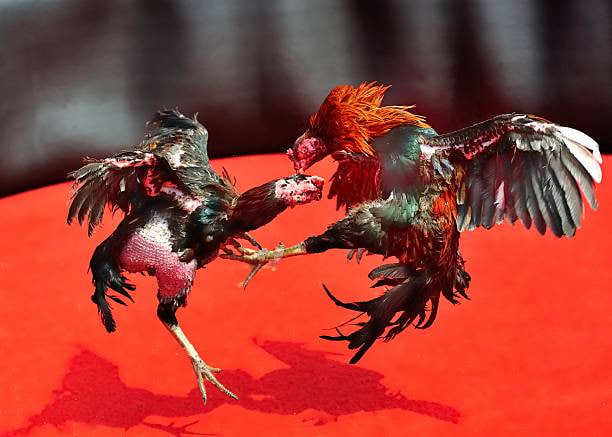
Cockfight in Betting: Tradition Meets Modern Gambling
Cockfighting, a controversial blood sport rooted in centuries-old tradition, has become a significant niche in the world of gambling. Despite its ethical and legal implications, the betting industry tied to cockfights thrives in several regions, particularly in Southeast Asia and Latin America. With online platforms enabling remote participation, cockfight betting has evolved from dusty local arenas to sophisticated digital environments. This article dives into the world of cockfight betting—exploring its history, cultural significance, rules, betting structures, technological evolution, and the socio-legal debates surrounding it according to MM88.
Historical and Cultural Roots of Cockfighting
Cockfighting is one of the oldest recorded forms of animal combat. Its origins trace back to ancient Persia, Greece, and India, where it was often associated with strength, bravery, and ritual. The sport later spread to Southeast Asia, the Philippines, Indonesia, and Latin American countries, where it became deeply embedded in local cultures. In many of these societies, cockfighting is not just a pastime but a ceremonial or community event, often linked to festivals and religious celebrations.
The symbolic value of the rooster, often seen as a warrior or guardian spirit, adds another dimension to cockfighting’s appeal. This cultural relevance has allowed the sport to survive and flourish, even as legal and ethical criticisms grow louder.
How Cockfight Betting Works
Cockfight betting like đá gà mm88 can be as simple or complex as any other gambling activity. In traditional settings, bets are placed among spectators before the fight begins. In modern regulated cockpits, organized betting structures and odds calculation resemble those seen in sports betting.
There are typically two birds in a match—referred to as the “Meron” and the “Wala.” Bettors choose a side, and odds are adjusted based on betting volume and perceived strength of each rooster. Matches are often quick and brutal, lasting only a few minutes, and the result is usually death or incapacitation of one bird.
Betting categories can vary:
• Straight bets on either bird
• Draws or stalemates in rare cases
• Side bets between individuals
Payouts are distributed based on the odds and the total betting pool. In many legal cockfighting arenas, there are formal systems to regulate payouts, while in underground or informal matches, outcomes can be chaotic.
Online Cockfight Betting Platforms
The rise of digital gambling has extended to cockfighting. Online platforms now stream live matches, allowing bettors to participate from anywhere. These services often use licensed cockpits and integrate real-time odds, secure payment methods, and user accounts for a seamless gambling experience.
Popular platforms include:
• Online sabong (in the Philippines)
• Cockfight livestream sites in Thailand
• Betting apps with virtual cock arenas
These sites typically require users to register and deposit funds through e-wallets or cryptocurrencies. With high-definition video, detailed statistics on birds, and multiple match options, the user experience rivals that of professional sports betting websites.
While convenient, these platforms also face scrutiny for potentially enabling underage gambling and for skirting animal cruelty laws in jurisdictions where cockfighting is illegal.
Economic Aspects of Cockfight Betting
Cockfight betting is a lucrative industry. In the Philippines alone, the sabong industry is worth billions annually, employing thousands—from breeders and handlers to betting agents and digital streamers.
Economically, cockfighting supports a wide network:
• Breeders who specialize in fighting cocks
• Veterinarians and trainers
• Stadium workers and tech operators
• Platform developers and payment gateways
Despite ethical controversies, the financial weight of the cockfight economy makes it a resilient part of the gambling industry in regions where it remains legal or tolerated.
Legal and Ethical Issues
The legality of cockfighting varies significantly across the globe. It is banned in most Western countries, including the US, UK, and many parts of Europe, due to animal cruelty laws. However, it remains legal or semi-regulated in parts of Asia, Latin America, and the Caribbean.
Ethical concerns often center around the cruelty inflicted on the animals. Roosters are trained to fight, often with metal spurs attached to their legs, leading to severe injuries or death. Animal rights groups argue that the sport is barbaric and call for international bans.
Regulated matches in countries like the Philippines attempt to impose welfare standards, such as vet checks and humane handling before matches. Still, these measures rarely satisfy critics who view any animal combat as inherently unethical.
Legal restrictions also affect betting structures. In countries where cockfighting is banned, online platforms sometimes operate offshore, creating a grey market that is hard to monitor or regulate.
Strategies in Cockfight Betting
Like any form of betting, cockfight gamblers often develop strategies based on observation, statistics, and experience. Key elements considered include:
• Breed and lineage of the rooster
• Past performance records
• Training and conditioning routines
• Weight class and fighting style
• Handler reputation
Some bettors follow specific birds or stables and track their performance across seasons. Others rely on visual assessment just before a match, checking the rooster’s alertness, stance, and pre-fight behavior.
Although some skill is involved, cockfight betting still contains a strong element of chance. Injury, luck, or unpredictable aggression can change the course of a match within seconds.
Impact of Technology on the Cockfight Scene
Technology has transformed how people interact with cockfight betting. Beyond streaming, platforms now include features like:
• Virtual reality arenas for immersive experience
• AI-generated match predictions
• Blockchain-based betting for transparency
• Mobile apps for in-play betting and alerts
Some platforms even use smart contracts to ensure automatic payout distribution. These advancements have added credibility and ease to the once-informal world of cockfight betting, attracting younger, tech-savvy audiences.
Social media also plays a role in promoting matches, sharing highlights, and building communities around specific fighting birds or regions.
Social and Psychological Dimensions
Cockfight betting is often a social activity. In many rural areas, matches are community events. Bettors exchange banter, form alliances, and engage in collective cheers or jeers. The emotional intensity of the match adds to the thrill of gambling.
Psychologically, the activity appeals to both risk-takers and strategic thinkers. The visceral nature of cockfighting enhances the adrenaline rush, making it different from passive betting like slots or lottery.
However, the emotional highs are countered by lows, including financial loss, addiction, and conflict. As with all gambling, responsible behavior and moderation are essential.
Regulations and Efforts for Reform
Some countries attempt to strike a balance between tradition and animal welfare. In the Philippines, for example, sabong is regulated under government supervision, with licenses required for arenas and organizers. Proceeds from legal betting sometimes fund community programs or state revenue.
• Efforts to reform the industry focus on:
• Enforcing humane treatment for birds
• Ensuring age restrictions and responsible gambling
• Clamping down on illegal and underground rings
• Promoting digital transparency in online platforms
International pressure, especially from animal welfare organizations, has led to increased scrutiny and occasional crackdowns. However, enforcement remains inconsistent.
Alternatives and Modern Adaptations
To sidestep ethical concerns, some developers have launched virtual cockfight games. These simulated environments use computer-generated birds and outcomes based on algorithms rather than real combat. While still niche, these games offer a cruelty-free betting alternative.
Esports involving animal avatars or fantasy combat are also gaining traction as substitutes. These platforms aim to retain the thrill and cultural flavor of cockfight betting while avoiding legal and ethical conflicts.
Conclusion
Cockfight betting exists at the crossroads of tradition, technology, and controversy. For many, it is a celebration of cultural identity and competitive spirit. For others, it’s a cruel practice that has no place in modern society. The gambling aspect further complicates the issue—bringing both economic opportunity and the risk of exploitation. As technology and international discourse continue to shape the gambling industry, cockfight betting will likely evolve. Whether it transforms into a more humane, regulated, or even virtual version of itself depends on how societies weigh tradition against ethics, and profit against principle.


